
Key takeaways
- A cold runner mold costs less to build and is simple to run, but molds a runner every shot that must be cut off or reground.
- A hot runner mold costs more to build and maintain, but wastes little resin and often runs faster.
- The higher the volume, the more cavities and the more expensive the resin, the sooner a hot runner pays for itself.
- In-between options, such as a hot sprue feeding a short cold runner, can give much of the saving at a lower price.
- ACKOR builds both cold runner and hot runner molds and decides the runner type with you in the DFM review.
The short answer
Choose a cold runner when you want flexibility and a lower tool price: lower volumes, frequent color changes, heat-sensitive resins or a tight tooling budget. Choose a hot runner when volume is high, the mold has many cavities, the resin is expensive, or regrind is not allowed for your part.
The choice changes the mold layout and price, so it belongs in the DFM review, not after the quote. Two quotes with different runner systems are not priced on the same basis, even if every other line looks the same.
Pick cold runner when
Volume is low or medium, the tool budget is tight, colors change often, or the resin is sensitive to heat.
Pick hot runner when
Volume is high, the mold has many cavities, resin is costly, or regrind is not allowed for your part.
Decide it early
The runner type changes the mold layout and price, so settle it before you compare quotes.
What a runner system does
Every injection mold needs a path from the press nozzle to the cavities. That path has three parts:
- Sprue: the channel that takes plastic from the nozzle into the mold.
- Runner: the channels that split the flow and carry it to each cavity.
- Gate: the small opening where plastic enters the part.
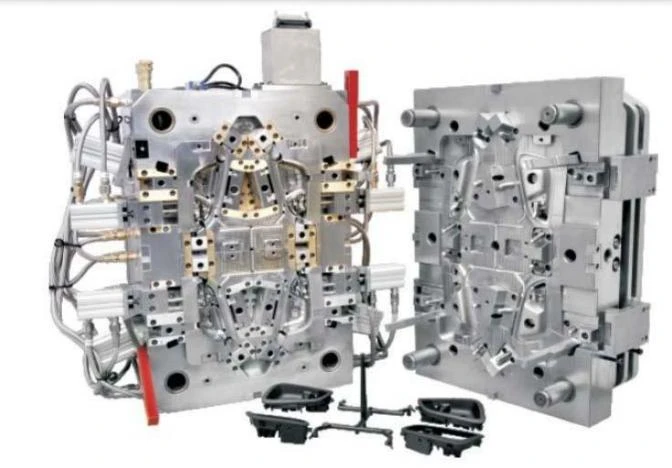
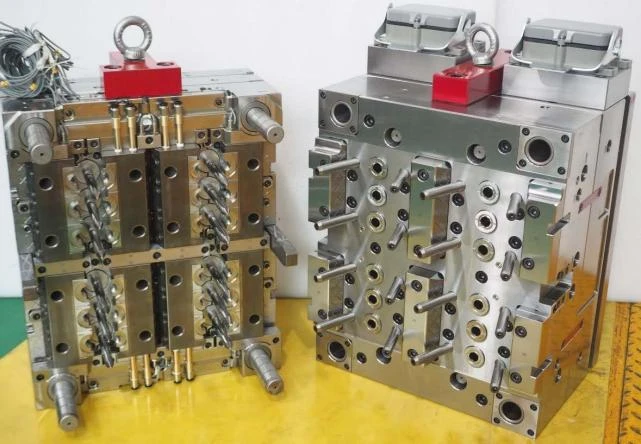
In a cold runner mold, the sprue and runner are cut into the mold plates and are not heated. The plastic in them cools and hardens with the part, and comes out of the mold as a runner tree attached to the parts. In a hot runner mold, the runner is a heated manifold inside the mold, with heated nozzles leading to each gate. The plastic stays molten between shots, and only the parts are ejected.
Cold runner molds in detail
Cold runners are the traditional layout and still the most common for many parts. They are simple, robust and easy to maintain, because there is nothing to heat, wire or control.
Two-plate and three-plate molds
In a two-plate cold runner mold, the runner and parts sit on the same parting line and come out together. Parts are then separated from the runner by hand, by a fixture or by a robot. A three-plate mold adds a second opening, so the runner is separated from the parts as the mold opens. That allows gates in the middle of a part, at the cost of a more complex mold.
Gate types
- Edge gates are simple and strong, but leave a mark that is usually trimmed.
- Submarine or tunnel gates break off automatically when the part is ejected.
- Pin-point gates in three-plate molds leave a small mark on the face of the part.
The runner as waste
The weak point of a cold runner is waste. The runner is molded on every shot. For a small part in a multi-cavity tool, the runner can weigh as much as the parts, or more. That plastic is either thrown away or ground up and fed back into the press. Many general parts accept a share of regrind; many medical, optical and cosmetic parts do not. When regrind is not allowed, every gram of runner is paid for and then scrapped.
Hot runner molds in detail
A hot runner mold adds a heated manifold, heated nozzles and a temperature controller. Each heated zone has a heater and a thermocouple, so the controller can hold the plastic at the right temperature all the way to the gate.
Open gates and valve gates
In an open-gate hot runner, the nozzle tip feeds the part directly, and the plastic at the tip freezes slightly between shots. This is simple and common, and leaves a small gate vestige. In a valve-gate system, a pin in each nozzle opens and closes the gate mechanically. That leaves a very clean mark, prevents drooling, and lets you control the order in which gates open, which helps large parts fill without weld lines in the wrong place.
Why hot runners can run faster
Cooling usually takes the largest share of a molding cycle. In a cold runner mold, the thick runner can take longer to cool than the thin-walled parts, so the press waits for the runner. With a hot runner, only the parts need to cool. Shot size is also smaller, because no runner is molded, so injection and plasticizing take less time.
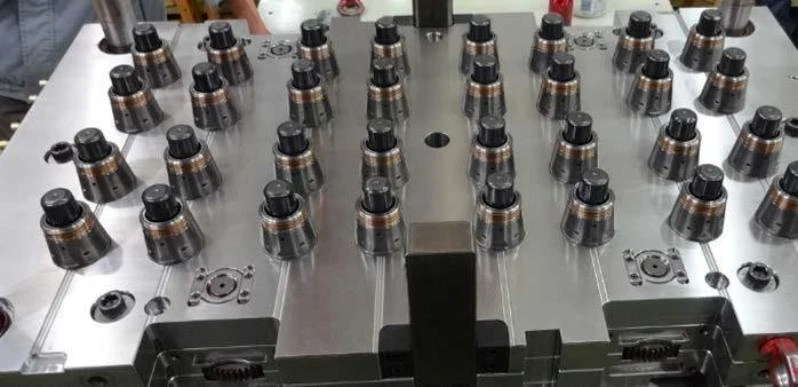
Hot runner vs cold runner: eight points to compare
These are general trade-offs. Your quote should show how they apply to your part, resin and annual volume.
| Factor | Cold runner mold | Hot runner mold |
|---|---|---|
| Tooling price | Lower; no heated parts. | Higher; adds manifold, nozzles and a controller. |
| Resin use per shot | Runner is molded every shot and becomes scrap or regrind. | Little or no runner waste. |
| Cycle time | Can be longer; the thick runner must cool before ejection. | Often shorter; only the parts need to cool. |
| Color and material changes | Fast; the runner leaves with each shot. | Slower; old material must be purged from the manifold. |
| Heat-sensitive resins | Easier; plastic is not held hot between shots. | Needs care; long time at temperature can degrade some resins. |
| Gate mark on the part | Gate must be trimmed or broken off; mark depends on gate type. | Small vestige; a valve gate leaves a very clean mark. |
| Maintenance | Simple; mostly normal mold care. | More parts to service: heaters, thermocouples, nozzle tips. |
| Usually fits | Low to medium volume, prototypes, many colors, tight tool budget. | High volume, many cavities, costly resin, no regrind allowed. |
A cost example: when does a hot runner pay back?
The decision often comes down to money. The numbers below are illustrative only, to show the method; your real figures come from your part, resin and quotes.
Imagine an eight-cavity cap mold. Each cap weighs 4 g, and the cold runner weighs 16 g per shot, so every shot uses 48 g of resin, a third of it runner. Regrind is not allowed. With a cold runner the cycle is 16 seconds; with a hot runner it is 13 seconds, because the runner no longer sets the cooling time.
- Resin saving: at 1 million caps a year, that is 125,000 shots, and 16 g of runner per shot is 2,000 kg of resin a year that no longer has to be bought and scrapped.
- Machine time saving: 3 seconds per shot over 125,000 shots is about 104 press hours a year.
- Extra cost: the hot runner system adds to the mold price, and adds maintenance over the mold's life.
Multiply the resin saving by your resin price and the hour saving by your press rate, and compare the total with the extra mold cost. At high volumes, the saving often covers the difference within the first year or two. At 50,000 caps a year, the same saving is twenty times smaller, and a cold runner is usually the better buy.
Ask for both options when the answer is unclear
If your volume sits near the break-even point, ask your molder to quote both runner types side by side, with the cycle time and resin use each one assumes. Then the decision is a calculation, not a guess.
How to choose: six questions
Answer these with your molder before you compare quotes:
- What is the annual volume?Higher volume spreads the extra hot runner cost over more parts.
- How expensive is the resin?Expensive engineering resins make runner waste costly.
- Is regrind allowed?If not, every gram of runner is scrap.
- How many cavities?More cavities mean a longer runner and more waste per shot.
- How often will colors change?Many color changes favor a cold runner that purges itself every shot.
- Where can the gate mark go?If the gate must sit on a visible face, a valve gate may be the cleanest option.
Also think about the life of the product. A part that will run for many years at steady volume favors the higher upfront investment of a hot runner, because the savings repeat every year. A part with a short or uncertain life favors the lower upfront cost of a cold runner, even if each part costs a little more.
If most answers point one way, the choice is clear. If they are split, the cost example above is the tie-breaker.
In-between options: it is not only hot or cold
Some molds combine both systems, and hot runners come in more than one form. Ask which option your quote is based on.
Hot sprue, cold sub-runner
A heated nozzle feeds a short cold runner. It cuts waste and cycle time at a lower price than a full hot runner.
Open-gate hot runner
The nozzle tip feeds the part directly. Simple and common, with a small gate vestige.
Valve-gate hot runner
A pin opens and closes each gate. Very clean mark, and control over fill order on large parts.
Cold runner, auto-degating
A submarine or tunnel gate breaks off at ejection, so no manual trimming is needed.
A hot sprue alone is often a good compromise for medium volumes: it removes the thickest part of the runner, which usually sets the cycle, while keeping the mold simple.
How the resin affects the choice
Most common resins run well in both systems, but a few deserve extra thought.
- Heat-sensitive resins such as PVC and some flame-retardant grades can degrade if held hot too long. A cold runner, or a hot runner designed for short residence time, is safer.
- Glass-filled resins wear nozzle tips and gates. Hot runners for these need wear-resistant tips, and cold runner gates may need hardened inserts.
- Clear resins such as PC and PMMA show any degradation as discoloration or black specks, so temperature control is critical in a hot runner.
- Commodity resins such as PP and PE are easy in both systems; for them the decision is mainly about volume and waste.
Tell us the exact resin grade in your RFQ. It affects both the runner choice and the steel for gates and cavities.
Runner layout and balanced filling
In a multi-cavity mold, the runner does more than carry plastic. It decides whether every cavity fills at the same time and pressure. In a cold runner mold, a naturally balanced layout, such as an H-pattern, gives every cavity the same flow length. Gate sizes are then fine-tuned at trial so each cavity packs evenly.
A hot runner balances flow differently. The manifold is designed so each nozzle receives the same flow, and the temperature of each zone can be adjusted on the controller. That gives the molder a tool for fine-tuning one cavity without touching the steel, which is a real advantage in high-cavity molds where small differences between cavities add up.
Whichever system is used, balance is checked the same way: every cavity is numbered on the part and measured at trial. A cavity that is consistently heavier, lighter or out of size points to a runner, gate or cooling difference that can be corrected before production.
Common hot runner problems and their fixes
Hot runners are reliable when designed and maintained well, but buyers should know the typical problems so they can recognize them early.
Drooling and stringing
Plastic leaks from the nozzle tip between shots. Usually fixed by adjusting tip temperature or decompression, or by using a valve gate.
Cold cavity
One zone is not heating, so its cavity short-shots. A failed heater or thermocouple is the common cause.
Black specks
Degraded plastic from dead spots or overheating. Purging, lower temperatures or a manifold clean usually solves it.
Slow color change
Old color keeps appearing. Proper purging with the right compound and a manifold designed without dead spots help.
Most of these are found quickly if zone temperatures are recorded and parts are inspected by cavity. That is another reason to number cavities and keep the controller settings with the mold records.
Gate marks and appearance
For many buyers, the runner decision is really a decision about the gate mark. A cold runner edge gate leaves a mark at the side of the part that is often trimmed. A submarine gate leaves a small mark on a hidden surface. A hot runner open gate leaves a small vestige where the nozzle meets the part, and a valve gate leaves the cleanest mark of all.
Mark the faces where a gate is acceptable on your drawing, and say how visible a mark may be. That one note often decides the runner system, and it avoids rework after T1.
What buyers in our main markets usually weigh
These are the questions that come up most in each market we serve. The right answer for your part still comes from its volume, resin and appearance rules.
Cosmetic packaging
Caps and closures run in high volumes on multi-cavity tools, and visible faces need a clean gate mark.
Medical parts
Our 12-cavity pipette mold is one example of a high-cavity medical tool. Regrind is often not accepted, so runner waste matters.
Automotive
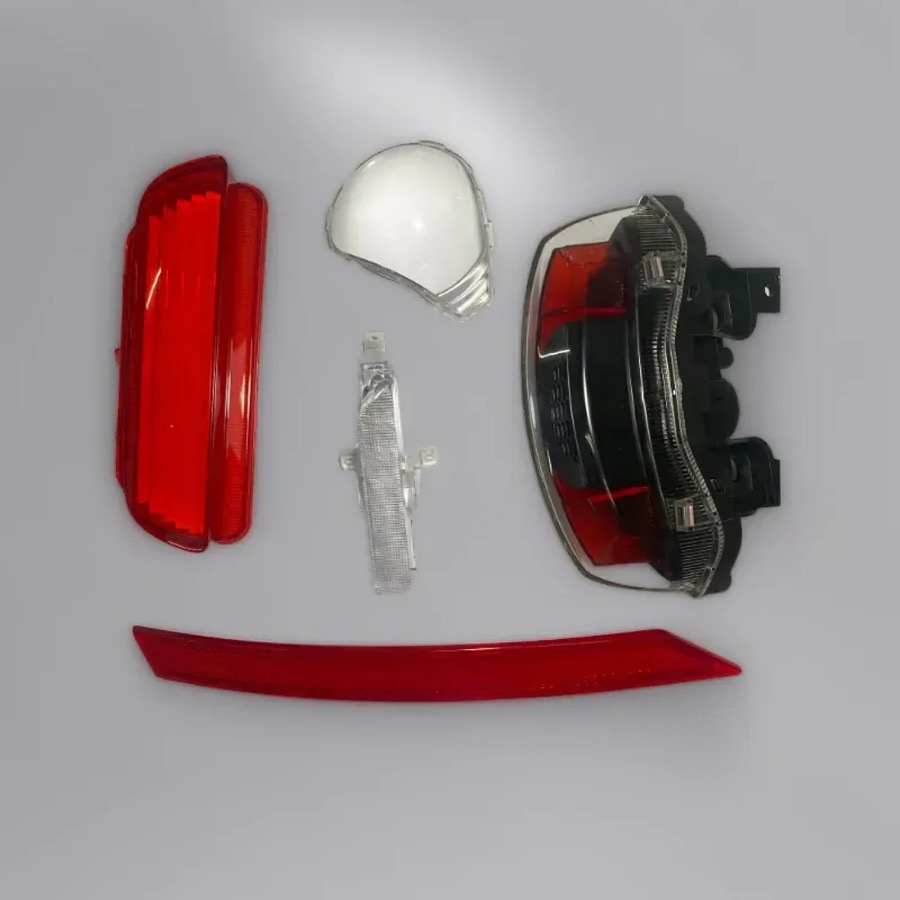
Lamp parts and panels are larger, and the gate must stay off show surfaces. Valve gates can control weld line position.
Electronics and home
Housings change color by model, so purge time and color changes count.
Maintaining a hot runner mold
A hot runner adds parts that need care. With a few habits, it runs reliably for the life of the mold:
- Record zone settings for every heater once the parts are approved.
- Check heaters and thermocouples during planned maintenance, not only when a zone fails.
- Purge properly at color or material changes, and when the mold is stopped for long periods.
- Inspect nozzle tips and gates for wear, especially with filled resins.
- Keep spare heaters and thermocouples for the zones most likely to fail.
If you ever move a hot runner mold to another factory, test every zone before it ships and send the controller settings with it. Our mold transfer checklist covers this step.
How ACKOR chooses the runner system
ACKOR builds both cold runner and hot runner molds in our Dongguan toolroom, so we recommend the system that suits your part, not the one that suits our workshop. The runner and gates are set in our DFM study, drawn in NX 12, and confirmed with you before steel is cut.
- DFM reviewRunner type, gate positions and cavity layout are shown in the DFM study.
- Your sign-offYou confirm the gate locations against your visible faces.
- T1 trialParts are molded on one of our 15 Yizumi presses.
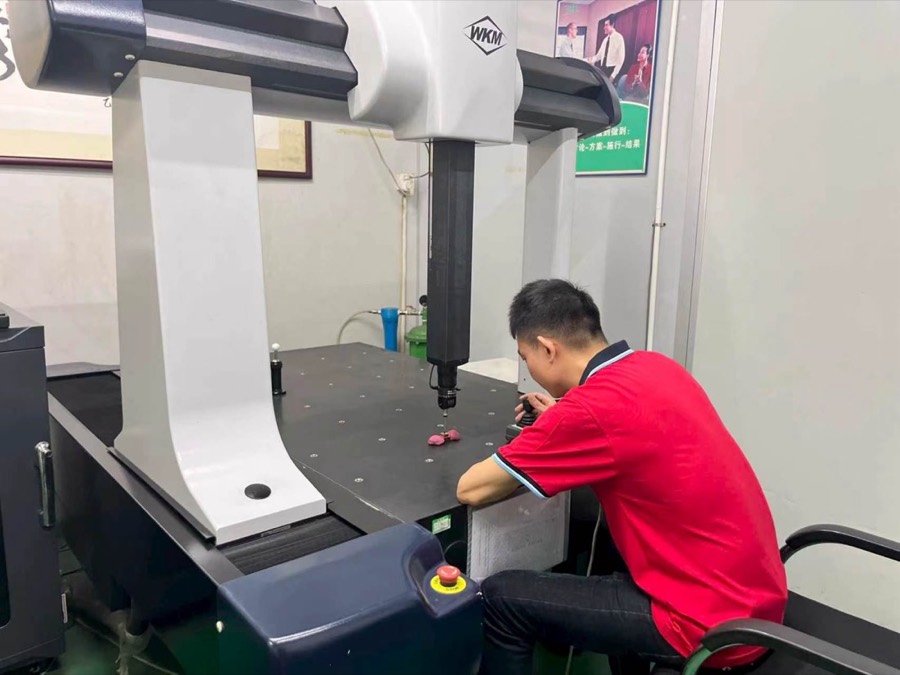
- Every cavity measuredEach cavity is checked on our CMMs or VMS, so unbalanced filling is found early.
Every mold ships with 2D and 3D drawings, the process parameter sheet, the measurement report, spares and electrodes. For multi-cavity tools, read our guide on how many cavities your mold should have, and our mold cost guide for comparing quotes.
Frequently asked questions
What is the difference between a hot runner and a cold runner mold?
In a cold runner mold, the channels that carry plastic to the cavities cool with the part and are ejected as a runner that is cut off or reground. In a hot runner mold, those channels are heated, so the plastic stays molten and only the parts are ejected.
Is a hot runner mold more expensive than a cold runner mold?
Yes, the tool usually costs more because it adds a heated manifold, nozzles and a temperature controller. It can still lower the total cost on high-volume jobs, because it saves resin and often shortens the cycle.
When is a cold runner the better choice?
A cold runner is often better for lower volumes, prototypes and bridge tools, frequent color changes, heat-sensitive resins, and projects where the tooling budget matters more than resin savings.
Can cold runner waste be reground and reused?
Often yes for general parts, within a percentage your drawing or customer allows. Many medical, optical and cosmetic projects do not accept regrind, so the runner becomes pure waste, which makes a hot runner more attractive.
What is a valve gate hot runner?
A valve gate hot runner has a pin in each nozzle that opens and closes the gate mechanically. It leaves a very clean gate mark, stops drooling, and lets the molder control the order in which gates open on large parts.
How does ACKOR decide the runner type for my mold?
ACKOR builds both cold runner and hot runner molds. We decide which one in the DFM review with you, before steel is cut, based on annual volume, resin and regrind rules, cavity count, color changes and where a gate mark is acceptable.