
For buyers moving molds or adding a second source
Switch Injection Molders Without a Gap in Supply
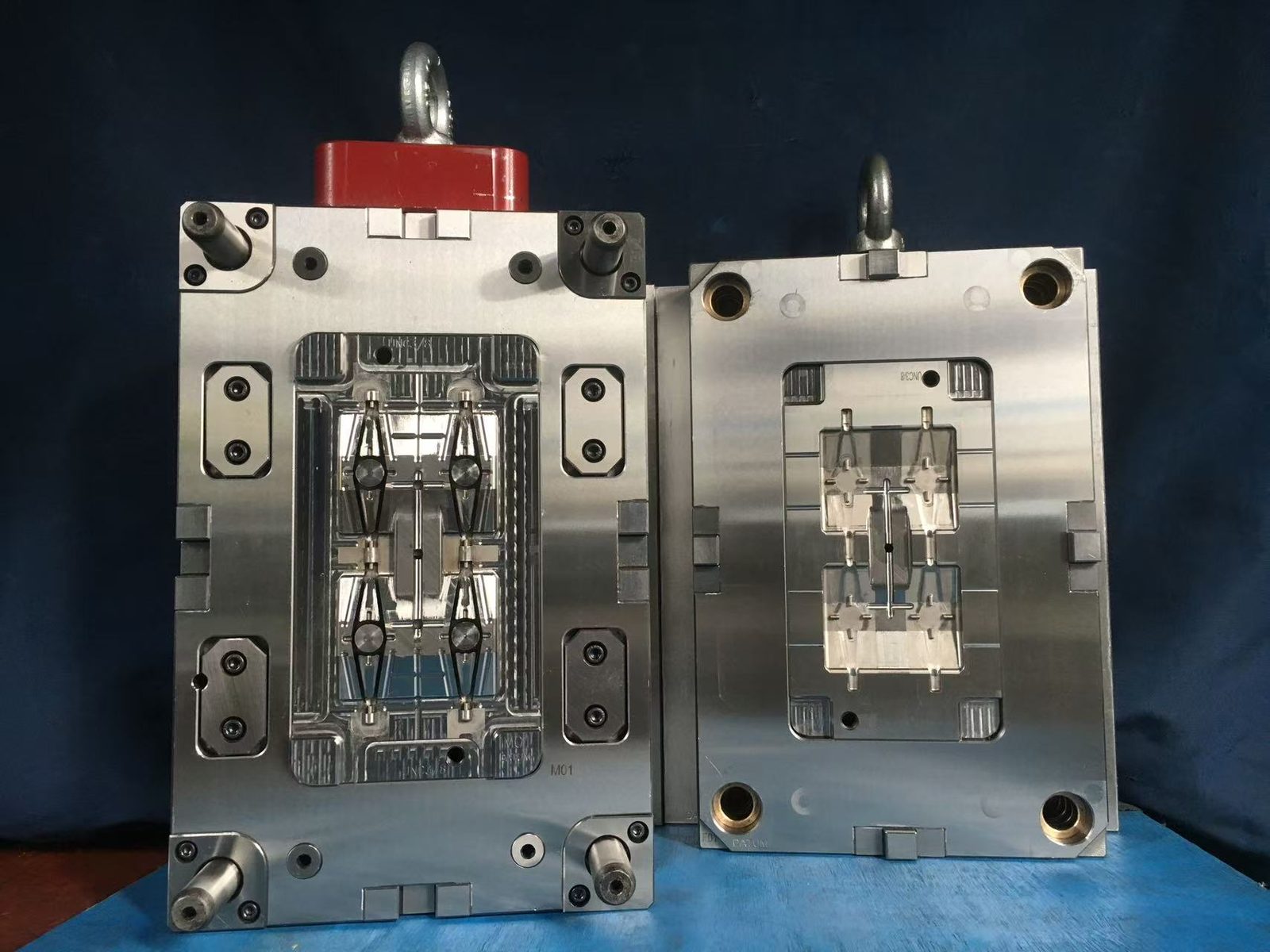
Two ways to move production to us: transfer your existing mold, or let us build a new mold from your approved part. Either way, we inspect, trial and measure against your approved sample before your old supplier stops, so your line keeps running.
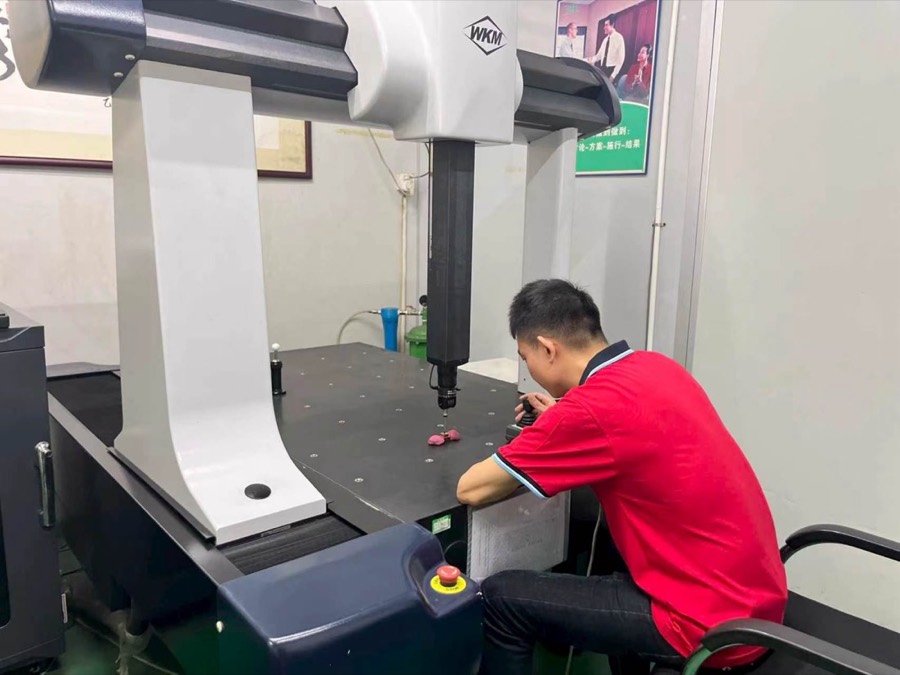
- ±0.03 mmchecked on WKM CMMs
- 3–4 weeksnew mold to T1 samples
- ISO 9001:2015No. 24CN34511981Q
Is this you?
Why buyers start switching injection molding suppliers
Each situation needs a different plan, so the first thing we ask is which one is yours.
Quality keeps slipping
Parts passed at T1, but lots now drift at your current molder.
Price or delivery changed
Your supplier raised prices or keeps missing ship dates.
One source is a risk
You need a second qualified source for a part you cannot stop.
Your molder is closing
The mold has to move, and the part has to stay approved.
Two ways to move
Transfer your mold, or build a second one
We recommend one route after we see the mold condition, the documents you hold and your yearly volume.
| Transfer your existing mold | Build a new mold from your approved part | |
|---|---|---|
| Best when | The mold is in good condition and you own it | The mold is worn, the old supplier will not release it, or you want two running sources |
| Time to approved parts | Shorter: inspection, servicing if needed, then T1 | About 3–4 weeks to T1 for a simple mold, 4–6 weeks for a complex one |
| What we need | The mold, 3D files, process sheet and last approved samples | Approved samples or drawing, resin grade and appearance standard |
| Your old supplier | Ships the mold after you have built safety stock | Keeps running until our parts are approved |
| Mold ownership | Stays with you | The new mold is yours, paid 50% with the order and 50% after sample approval |
What worries buyers
What usually goes wrong in a transfer, and how we prevent it
These are the problems buyers who have moved molds before tell us about most often.
How our mold transfer services work
Six steps from your old molder to approved parts
Review
Ownership, files, photos, volume and timing
Before you commitSafety stock
Your old supplier builds a bank of parts
Before the mold shipsInspect
Mold checked and serviced in our toolroom
On arrivalTrial
T1 with your resin; process recorded
After servicingMeasure
CMM report against your approved part
With the T1 samplesApprove
You sign the samples; production starts
Orders from 1,000 pcs
Know before you move
What to collect from your old supplier
The mold is only half of what made good parts. The rest is the process knowledge. Ask for these before the mold leaves:
- Written proof that you own the mold, and a release from the old supplier
- Part CAD and 2D drawing, with the current revision
- Mold drawings, plus the spare parts and electrodes list
- Molding process parameters: temperatures, pressures, times, drying
- Last approved sample and its measurement report
- Photos of both mold halves and every cavity, plus last-shot parts
Extra care
Hot-runner and multi-cavity molds
These molds hide most transfer problems. Before the first shot we check:
Hot runner: controller zones, heaters and thermocouples, nozzle tips and gate wear. We commonly run YUDO, Husky and HDT systems.
Multi-cavity: every cavity is measured and filling balance is checked, because one bad cavity can mix into good lots.
Press fit: locating ring, nozzle radius, ejector pattern, tie-bar spacing and water connections against our press.
Proof
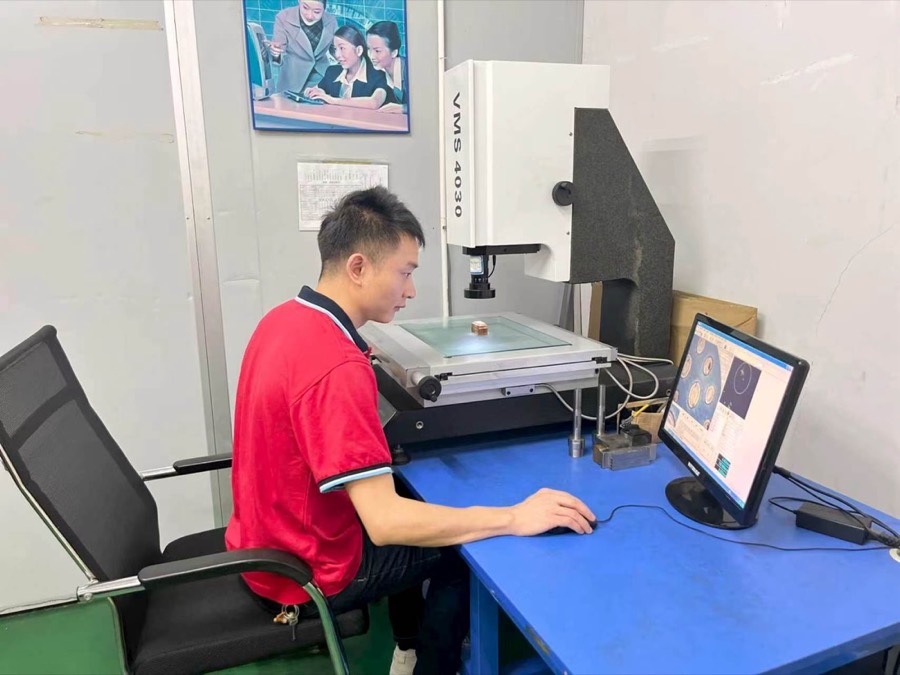
The toolroom and inspection room that take over your mold
Your mold moves to our own factory in Dongguan, not to a trading office.
Related: Mold trial & T1 approval · First article inspection · Case studies
Terms at a glance
What you can count on
Honest scope
Transfers we do not take on
- Die-casting molds or metal molds
- Molds you do not own or cannot get released
- Parts that need ISO 13485 or IATF 16949 certification
FAQ
Questions before you move a mold
How long does a mold transfer take?
It depends on the distance, customs and the mold condition. Inspection and the first trial come first; after we review the mold photos, drawings and process sheet, we send a dated plan, and you keep a bank of parts until our samples are approved.
Can you run a mold made by another supplier?
Yes. We need the tool list, drawings, a few current photos, the resin grade and your last approved samples. We check the mold against our 15 Yizumi injection molding machines and the drawing before the mold ships.
Can you build a new mold from our approved part instead?
Yes. We build a new mold from your approved part or drawing, with T1 samples in about 3 to 4 weeks for a simple mold and 4 to 6 weeks for a complex one, and measure T1 against your approved part.
What documents should we collect from the old supplier?
Proof of mold ownership, the part CAD and 2D drawing with revision, the mold drawings, the molding process parameters, the last approved sample with its measurement report, and the maintenance and repair history.
What makes a moved mold fail at T1?
Usually because the new setup differs from the old process: press interface, resin grade, drying, temperatures, cooling connections or hot-runner settings. We compare these with your old process sheet before any steel is changed.
Who owns the mold after the transfer?
You do. We sign an NDA and never use your mold to make parts for anyone else.
Choose your path
Other ways to work with us
Pick the page that matches how you buy.
Export injection molds
Molds built to run on your own presses.
Buying partsContract injection molding
Lot-to-lot consistent parts from 1,000 pcs.
New productNew product, low volume
From prototype to your first 1,000 parts.
You are hereMold transfer & second source
Switch molders without a gap in supply.
Send your mold details for a free transfer review
Part drawing or photos, mold size, cavity count, resin and yearly volume. Maggie replies within 24 hours on working days.